HZS180
Stationary Concrete Batching Plant
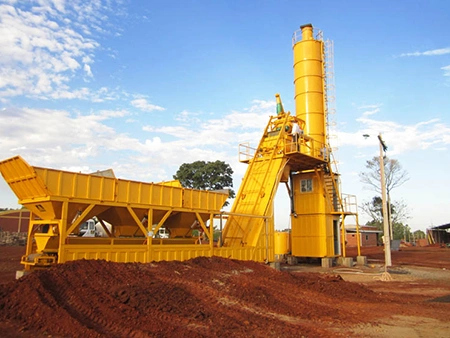
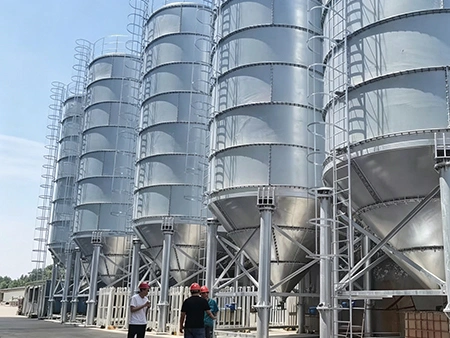
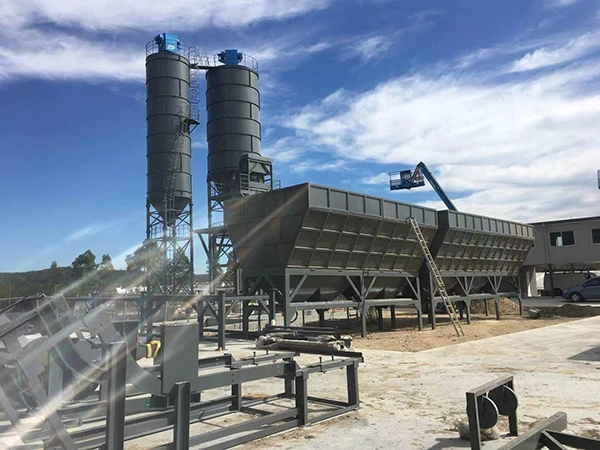
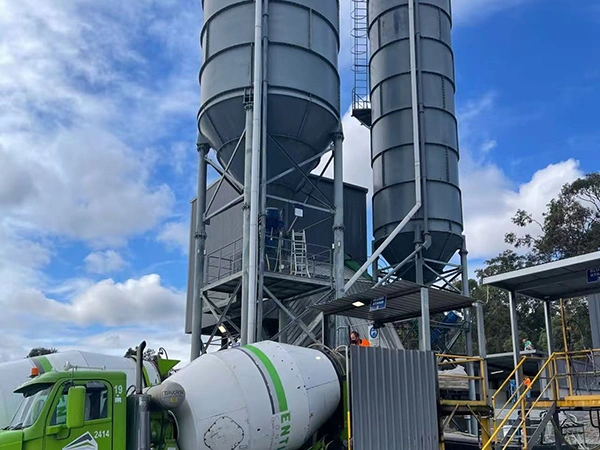
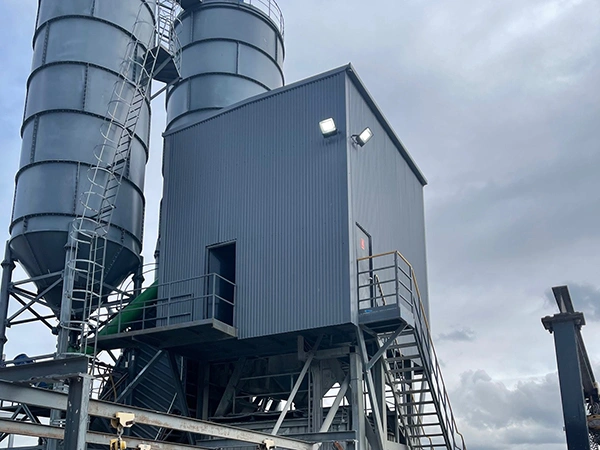
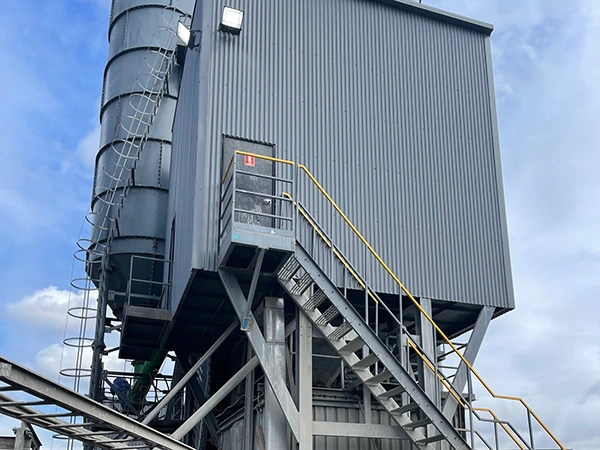
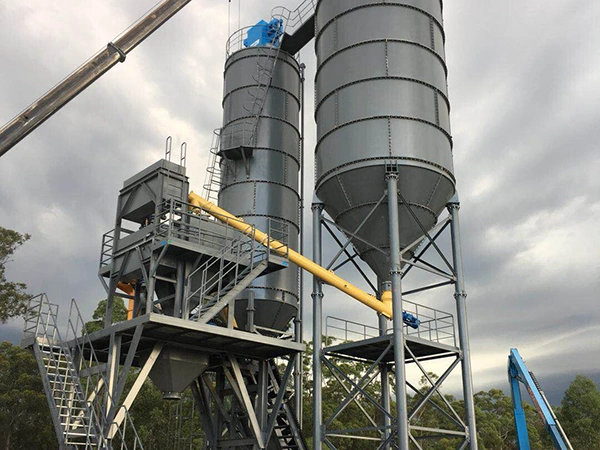
Suitable for large infrastructure projects and central ready-mix concrete supply facilities, these stationary batching plants can produce up to 180 m³/h and are intended for continuous high-load operation. They are equipped with a JS3000 twin-shaft mixer to handle aggregates up to 80 mm, while material storage includes four 200-ton powder silos and an aggregate batching system with four 25 m³ bins. Thanks to the larger storage and batching capacity, the concrete batcher can handle four types of aggregate at high flow rates at the same time, so materials need to be replenished less often during continuous full-load production.
-
 Production Capacity: 180 m³/h
 -
 Mixer Type: Twin-Shaft Concrete Mixer
 -
 Mixer Power: 2 x 55 kW
 -
 Aggregate Bin Capacity: 4 x 25 m³
- The JS3000 heavy-duty twin-shaft mixer has two 55 kW motors and achieves a mixing coverage rate of over 95%. The inclined wide belt conveyor and hopper shorten the mixing cycle and support the fast, full-load dispatch of large concrete mixer trucks.
- Electronic scales measure aggregates within ±2% accuracy and cement, fly ash, water and additives within ±1%, with automatic adjustment and compensation for small weighing differences.
- Several concrete mix recipes can be saved, and operators can switch between different concrete grades with one touch to keep batch quality more consistent.
- PLC and computer-based controls manage feeding, batching, mixing and discharge automatically, so the plant can maintain continuous production with less manual supervision.
- Operators can monitor production in real time, check fault alarms and review past production data when needed, while remote monitoring and report printing are available as optional functions for easier daily management.
- Special high-chrome wear-resistant alloy is used for the mixer liners and mixing blades, which helps reduce wear and extend the maintenance interval.
- Multiple mechanical seals and air-pressure sealing technology reduce the risk of slurry leakage from the shaft ends during frequent, full-load operation.
- The storage and conveying sections have a fully enclosed design to keep dust from spreading around the plant.
- The mixer has a high-capacity dust collector as standard, which helps keep dust and noise emissions within international environmental limits even when the plant is working at full load.
| Overall | Theoretical Production Capacity | 180 m³/h |
| Installed Power | Approx. 220 kW | |
| Discharge Height | ≥ 3.8 m | |
| Mixing System | Mixer Model | JS3000 |
| Nominal Mixer Capacity | 3000 L | |
| Mixer Motor Power | 2×55 kW | |
| Max. Aggregate Size | Φ80 mm | |
| Storage & Batching Capacity | Cement/Fly Ash Silo Capacity | 4×200 t |
| Aggregate Bin Capacity | 4×25 m³ | |
| Aggregate Types | 4 | |
| Weighing System Range & Accuracy | Aggregate Weighing | 900~3200 kg (Accuracy ±2%) |
| Cement Weighing | 260~1700 kg (Accuracy ±1%) | |
| Fly Ash Weighing | 200~1200 kg (Accuracy ±1%) | |
| Production Water Weighing | 130~800 kg (Accuracy ±1%) | |
| Admixture Weighing | 12~65 kg (Accuracy ±1%) |
-
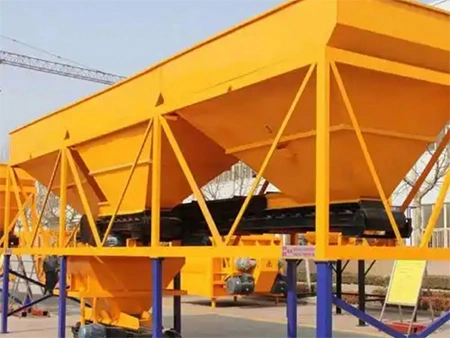 Aggregate Batching System
The aggregate batching system has 2 to 4 bins for sand and stone. Each material is weighed separately within ±2% accuracy before a belt conveyor sends the aggregates to the skip hoist. Wear-resistant liners in the feeding section help prevent jamming and spillage.
-
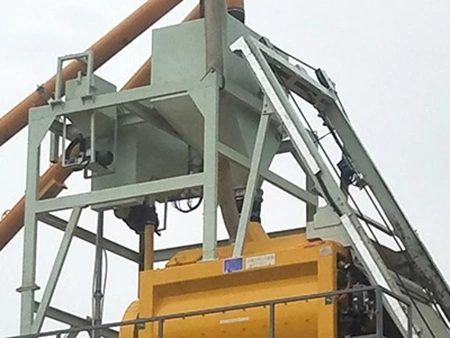 Skip Hoist Feeding System
After weighing, the aggregates enter the skip bucket and travel along the rail to the mixer. A winch, steel wire rope and pulleys move the bucket up and down, while limit switches control its travel and stop positions.
-
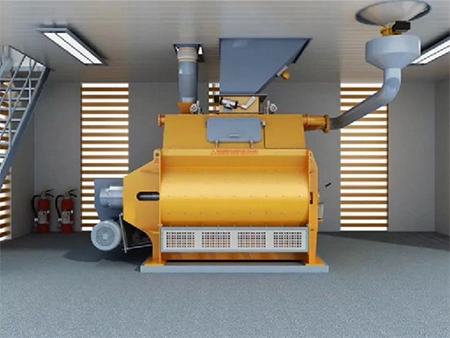 Twin-Shaft Concrete Mixer
The 180 m³/h plants use twin-shaft mixers as standard, where aggregates, cement, fly ash, water and additives are blended into the final concrete mix. The two horizontal shafts provide even mixing, shorter cycles and less material buildup around the shafts.
-
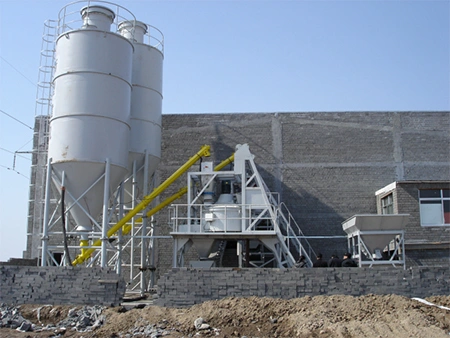 Powder Storage and Weighing System
Cement and fly ash are stored in separate silos and transferred by screw conveyors to their weighing units, while dedicated scales measure water and additives separately before mixing.
-
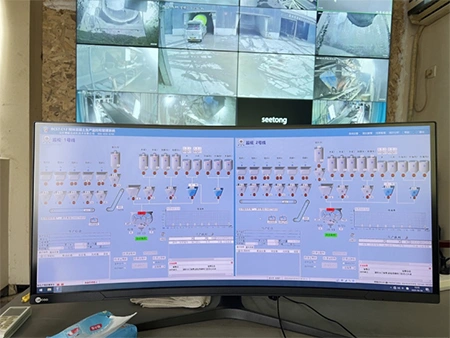 Electrical Control System and Control Room
Operators can switch between automatic and manual modes while viewing mix proportions, production output and fault alarms in real time. Remote monitoring provides access to the same plant information when operators are off site.