YHZS60
Mobile Concrete Batching Plant
These mobile concrete batching plants have an output capacity of 60 m³/h, while the main production sections for aggregate batching, continuous belt feeding, mixing and automatic control are installed on a heavy-duty trailer chassis. Since these concrete plants have a folding design, fewer parts need to be handled when they move between job sites, which makes relocation faster and easier. Our 60 m³/h mobile plants are suitable for medium-size infrastructure work, road construction and other projects that need continuous concrete production at different locations.
-
 Production Capacity: 60 m³/h
 -
 Mixer Type: Twin-Shaft Concrete Mixer
 -
 Mixer Power: 2×18.5 kW
 -
 Aggregate Bin Capacity: 3×8 m³
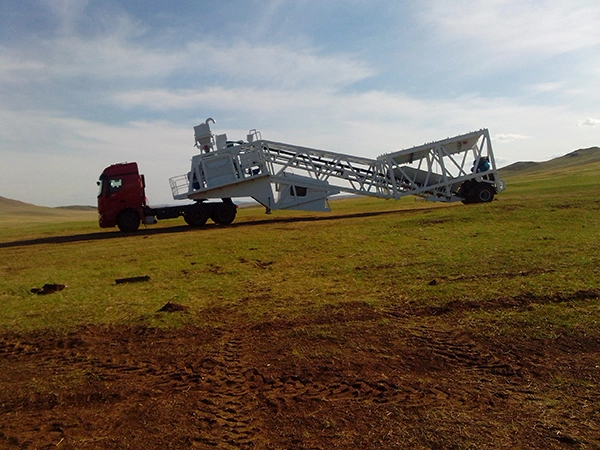
- Equipped with a folding inclined belt conveyor, the concrete plant does not need the conveyor to be removed before relocation; the conveyor frame folds inward for road towing by a heavy-duty tractor truck and can be opened again quickly at the next job site.
- As the chassis already includes several high-strength hydraulic or mechanical support legs, installation only needs a flat, stable surface with enough load-bearing capacity instead of a deep concrete foundation.
- Since most of the concrete plant is assembled before it leaves the factory, installation at the job site requires much less work; once the unit is positioned and secured, operators only need to connect the water and power supply before production can start.
- Designed with an automatic electrical system that lets operators switch between manual and automatic modes and record production data for later reviews.
| Theoretical Production Capacity (m³/h) | 60 |
| Mixer Model | JS1000 |
| Mixer Power (kW) | 2×18.5 |
| Mixing Cycle (s) | 72 |
| Max. Aggregate Size (mm) | Φ60 |
| Standard Aggregate Bin Capacity (m³) | 3×8 |
| Aggregate Types | 2/3/4 |
| Discharge Height (m) | 4.1 |
| Total Weight (t) | ≈26 |
| Installed Power (kW) | ≈92 |
| Power Supply | 380V/220V/415V /440V, 50/60HZ, 3 Phase |
-
 Mobile Chassis
Mobile concrete plants have a heavy-duty trailer chassis with pneumatic tires, a kingpin and hydraulic support legs. For transportation, the whole concrete plant can be folded as necessary to reduce its overall dimensions, so it can meet common container and road transport requirements for easier overseas shipment.
-
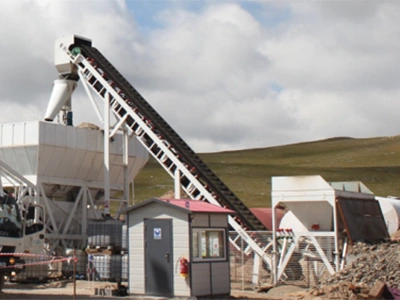 Aggregate Batching Unit
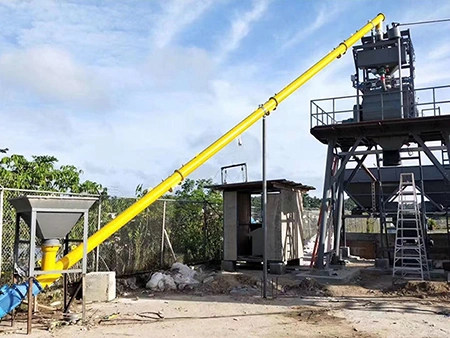
Sand and stone are stored separately in 2 to 4 aggregate bins before weighing. Belt feeding can be added when needed, especially on sites where loading aggregates from a higher position would be inconvenient for a wheel loader.
-
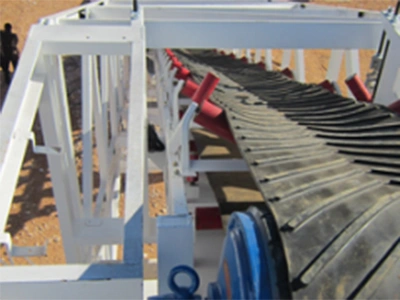 Belt Conveyor
Aggregates move continuously from the batching section toward the mixer through the belt conveyor. The conveyor is part of the mobile frame and can be folded for transport, so there is no need to dismantle the complete conveying section every time the concrete plant needs to be moved to another site.
-
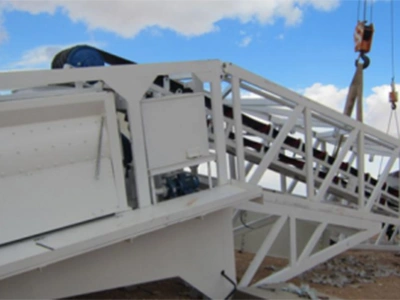 Concrete Mixer
The mixer is integrated into the main mobile frame, so it can be transported with the complete plant without being removed and can return to production quickly after relocation. Most mobile plants use a twin-shaft compulsory mixer, while smaller models can use a drum mixer and advanced configurations can have a vertical-shaft planetary mixer.
-
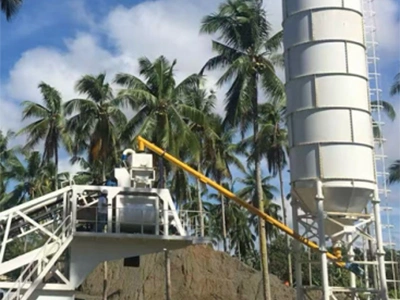 Powder Storage and Material Weighing
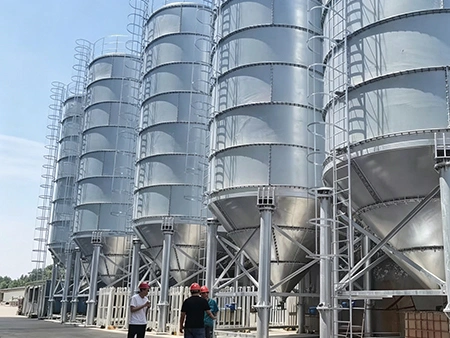
Cement and fly ash are stored in separate silos and transferred by screw conveyors for weighing. Water and additives have their own scales, so aggregates, powders, water and additives can all be measured before they enter the mixer.
-
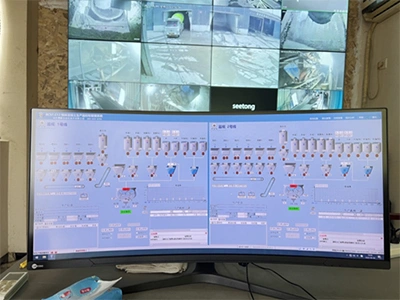 Control System
The automatic control system can switch between manual and automatic operation, and an English-language interface is available as an option. Operators can save concrete mix recipes, correct small weighing differences automatically, check fault alarms, print production data and monitor the plant remotely.